



Core Components of Modern Trading Community Architecture
A robust trading community architecture bridges raw market execution data with collaborative, real-time social learning environments. Modern retail and institutional groups cannot rely on basic messaging boards; they require engineered pipelines that synchronize live pricing grids, performance verifications, and automated alerts without introducing latency bottlenecks.
At its foundation, trading community architecture rests on three operational layers: the ingestion layer, the routing layer, and the engagement layer. Each layer manages specific protocols to ensure that signals generated by programmatic scripts or discretionary desks transform into actionable collaborative workspaces.
Data Ingestion & Normalization
Captures raw FIX protocol streams, broker price feeds, and custom technical indicator outputs, standardizing timestamps and payload formats for community consumption.
Execution & Routing Layer
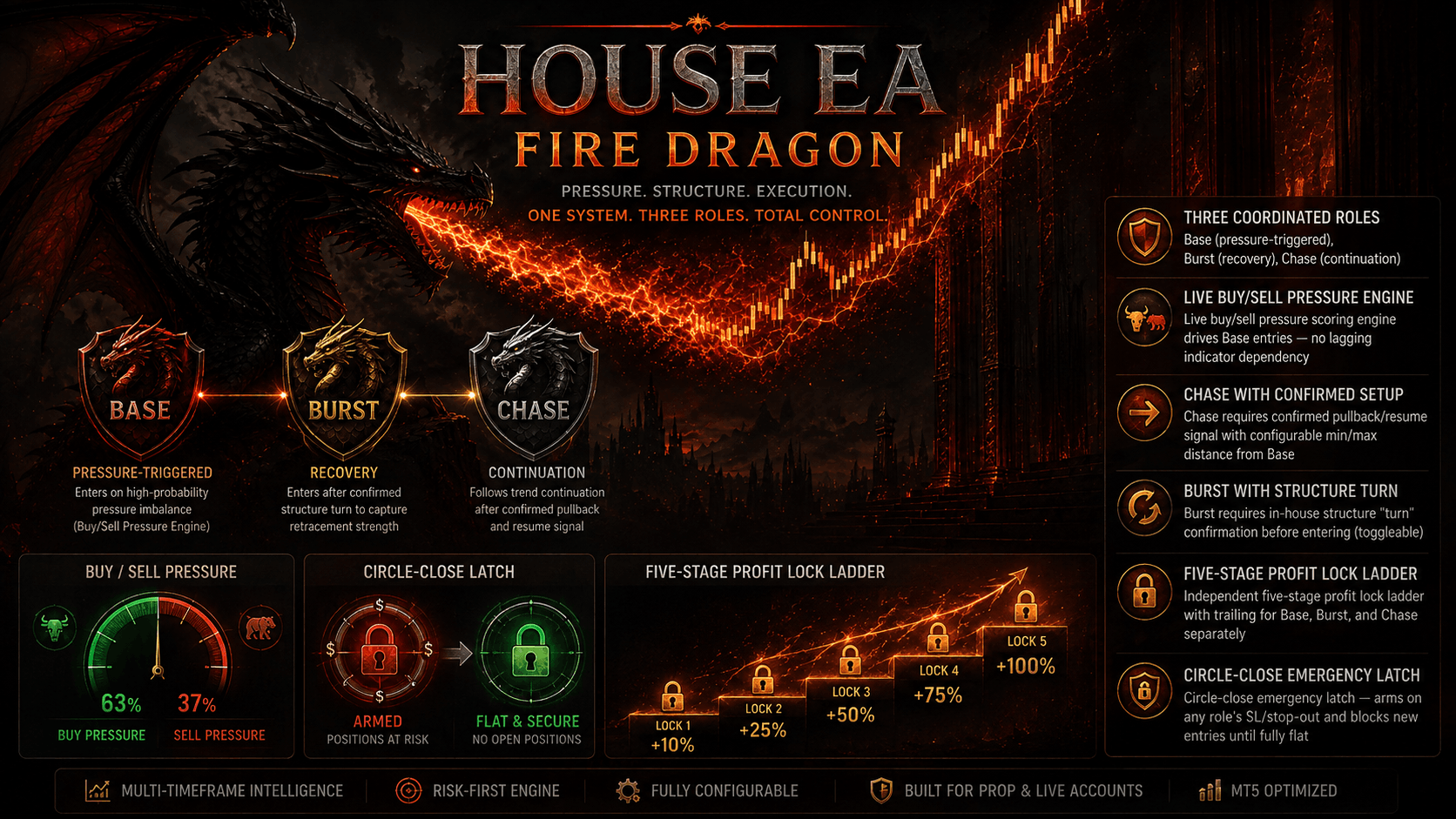
Maps incoming algorithmic directives from automated expert advisors directly to mirrored copy trading networks and member dashboards.
💡 Pro Execution Tip: Decouple your community chat infrastructure from your core trade-routing database. Using asynchronous message brokers (such as Apache Kafka or Redis pub/sub) prevents heavy chat traffic spikes during high-volatility news events from delaying order execution broadcasts.
Essential Software Stack for Trading Community Architecture
Selecting the appropriate technology stack dictates whether a trading community scales smoothly or suffers from catastrophic downtime during major macroeconomic releases like Non-Farm Payrolls (NFP) or FOMC rate decisions. The architecture must handle bursty websocket connections and maintain state consistency across global user bases.
Below is a comparative breakdown of how architectural demands shift when scaling a community from a private mastermind group to an institutional-grade signal room.
| Architectural Tier | Standard Setup (Private Group) | Institutional Setup (SaaS Scale) |
|---|---|---|
| Message Broker | Discord/Telegram Webhooks | Apache Kafka / RabbitMQ Clusters |
| Database Persistence | PostgreSQL (Single Instance) | Distributed NoSQL + TimescaleDB |
| Signal Verification | Manual Screenshot Uploads | API-Connected MT4/MT5/cTrader Token Sync |
| Risk Modeling | Static Spreadsheets | Dynamic position sizing calculators & margin guardrails |
How to Design Engagement Loops in Trading Community Architecture
High user churn is the primary failure mode of poorly designed trading communities. Members join during market hype cycles but quickly disengage when drawdowns occur or when noise overwhelms actionable education. Sustainable trading community architecture utilizes programmatic engagement loops that reward consistency, risk management, and collaborative research.
Key Pillars of Active Participation
- Automated Performance Leaderboards: Integrate verified trading metrics to rank members by Sharpe ratio and max drawdown rather than pure net profit, discouraging dangerous gambling behaviors.
- Contextual Chat Channels: Isolate macro discussions, algorithmic testing, and live execution rooms to reduce cognitive overload for novice participants.
- Custom Development Integration: Allow members to request specialized tools or query custom MQL programming services directly within the portal workflow.
Security and Compliance in Trading Community Architecture
Operating a collaborative trading environment introduces severe regulatory and cybersecurity vulnerabilities. Because platforms often handle sensitive financial API keys, broker login credentials, and proprietary trading strategies, architectural security cannot be treated as an afterthought.
Architects must enforce strict data encryption standards both in transit (TLS 1.3) and at rest (AES-256). Furthermore, regulatory frameworks such as MiFID II, FCA guidelines, and CFTC rules impose strict boundaries on what constitutes unauthorized investment advice versus generalized educational commentary.
API Credential Isolation
Never store raw broker passwords in community databases. Utilize OAuth2 tokens with restricted read/trade-only permissions that expire automatically.
Audit Trails & Logging
Maintain immutable logs of all signal distributions and member communications to satisfy regulatory compliance and dispute resolution inquiries.