



What Is Day Trading and How Does It Work?
Day trading is the practice of buying and selling financial instruments—such as currencies, stocks, and commodities—within the same trading day. All positions are closed before the market closes to avoid unmanageable overnight risks and gaps. For beginners entering the financial markets, understanding the mechanics of intraday price movements is the foundational step toward building consistent profitability.
The Intraday Lifecycle
Trades are initiated, managed, and liquidated within a single trading session. Intraday traders capitalize on short-term volatility, market news releases, and shifting liquidity profiles.
Zero Overnight Exposure
By flattening all open positions at the end of the day, traders eliminate the danger of adverse weekend gaps, overnight news blackouts, and expensive swap charges.
Success in day trading requires mastering both technical execution and psychological discipline. Beginners often confuse day trading with investing; whereas investors focus on long-term value, day traders focus purely on micro-trends, market sentiment, and order flow dynamics. Many retail traders fast-track their technical analysis by pairing their manual strategies with our robust custom indicators library to pinpoint high-probability entry and exit zones.
💡 Pro Execution Tip: Never risk more than 1% to 2% of your total trading capital on a single intraday setup. Preserving your capital is the ultimate key to longevity in day trading.
Essential Day Trading Tools and Equipment for Beginners
Having the right infrastructure is non-negotiable for day trading. Because intraday setups require split-second decisions and lightning-fast execution, your technical setup must be optimized for performance, low latency, and crystal-clear data visualization.
Core Infrastructure Requirements
- Direct Market Access (DMA) Broker: Ensure ultra-low latency execution speeds and tight spreads, particularly during major London and New York session overlaps.
- Reliable Charting Platform: Advanced charting software providing multi-timeframe analysis, customizable study templates, and seamless order routing.
- Economic News Calendar: Real-time tracking of high-impact macroeconomic data releases like CPI, NFP, and Central Bank rate decisions to avoid slippage during volatility spikes.
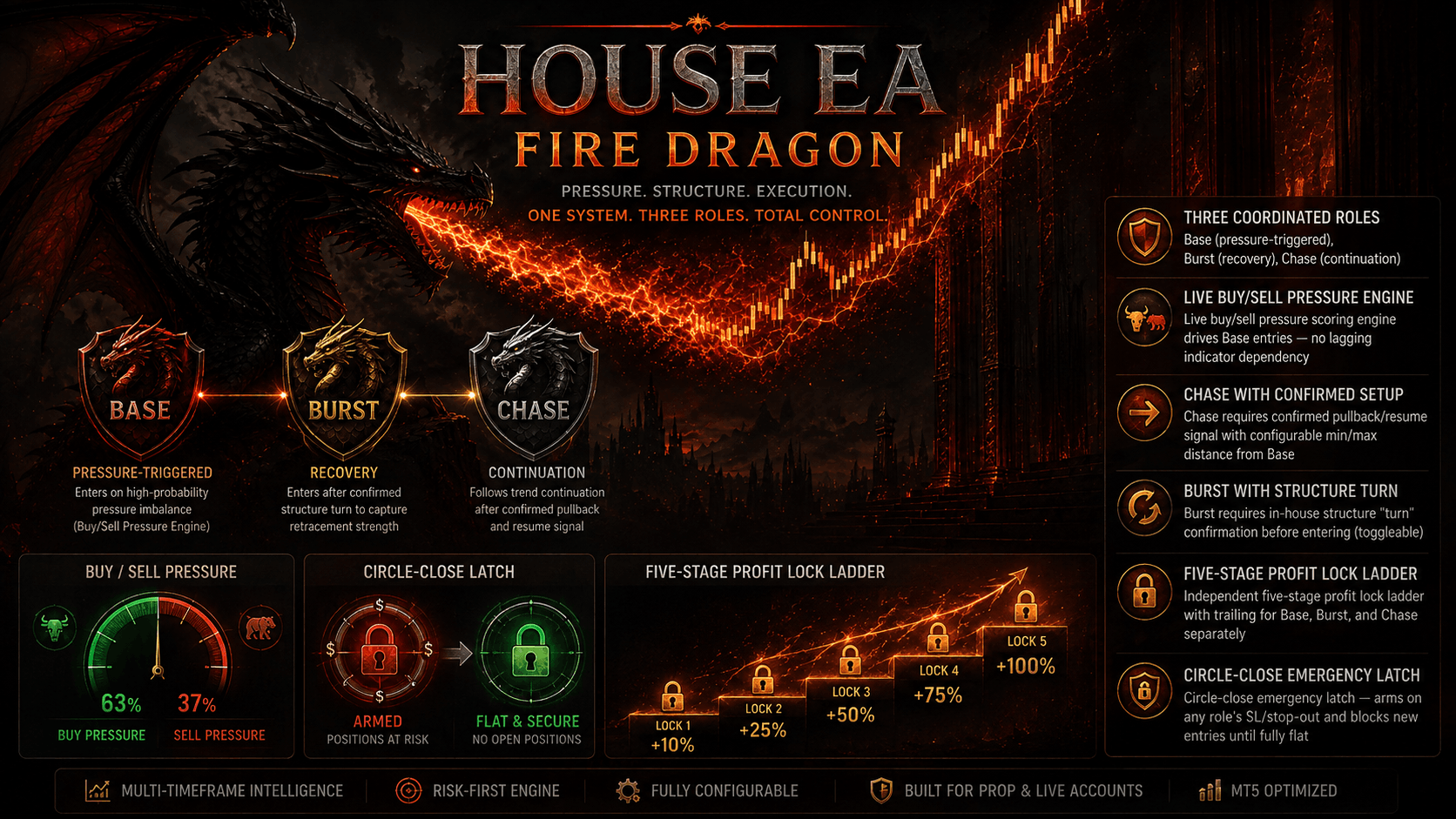
For traders looking to automate repetitive trade management tasks or streamline their order execution workflows, exploring pre-built solutions available in our expert advisors collection can drastically reduce emotional trading mistakes.
| Parameter / Factor | Standard Setup | Institutional Setup |
|---|---|---|
| Execution Latency | 50ms - 150ms (Retail Broker) | < 5ms (Colocated Fiber Server) |
| Chart Timeframes | 1M, 5M, 15M, 1H | Tick Charts, Range Bars, Level 2 DOM |
| Order Management | Manual / Basic Terminal Hotkeys | Algorithmic Execution & Basket Closing |
Proven Day Trading Strategies to Start With
Beginners often fail because they jump between dozens of unverified setups. The key to consistency is mastering one or two structured methodologies before expanding your playbook. Below are three classic intraday strategies tailored for new traders.
1. Momentum Breakout Trading
This strategy involves identifying key support and resistance levels, consolidation ranges, or opening range highs/lows. When price breaks through these structural boundaries on expanding volume, traders enter in the direction of the breakout anticipating a rapid continuation wave.
2. Trend Pullback (Retracement) Trading
Instead of chasing extended moves, trend traders wait for price to pull back toward key moving averages or Fibonacci retracement levels within a clearly established daily trend. Entering on a bullish or bearish confirmation candle at value areas offers a high risk-to-reward ratio.
3. Range Bound Trading
During periods of low macro volatility, markets frequently bounce between established horizontal boundaries. Traders buy near structural support and sell short near resistance, using tight stop-losses placed just outside the range extremes.
If you want to evaluate your risk parameters and position sizes precisely before executing any of these strategies, make sure to utilize our professional risk and lot size calculators.
Essential Risk Management Rules Every Beginner Must Know
Risk management separates professional traders from gamblers. Even the most accurate day trading strategy will fail if proper position sizing and capital preservation rules are ignored.
The 1% Rule
Never risk more than 1% of your total account equity on a single trade. If you experience a losing streak, your capital remains intact for recovery.
Positive Risk-to-Reward
Aim for a minimum 1:2 or 1:3 risk-to-reward ratio. This ensures that even with a 40% win rate, your winning trades will comfortably outweigh your losses.
- Daily Loss Limits: Establish a strict hard stop for the day (e.g., 3% max drawdown). Once hit, shut down your terminal and walk away to prevent revenge trading.
- Always Use Stop-Loss Orders: Never enter a trade with a mental stop-loss. Hard stop-losses protect you against sudden flash crashes and erratic news spikes.