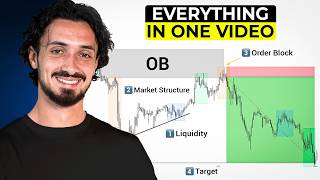




How We Test and Rank the Best Forex Trading Courses
Navigating the overwhelming landscape of online financial education requires a rigorous, systematic vetting process. When evaluating premier forex trading courses, our analytical framework strips away flashy marketing claims to assess true educational value, actionable market execution, and risk management fundamentals.
Curriculum Depth & Structural Rigor
We inspect whether programs transition logically from basic currency pair dynamics and pip calculations to advanced multi-timeframe structural analysis, order-flow reading, and macroeconomics.
Verification & Practical Implementation
Courses must bridge theory with real execution. We favor curricula that teach students how to backtest manual setups or configure algorithmic parameters safely via our expert advisors repository.
Furthermore, we evaluate the instructor's live trading transparency, community support ecosystem, and auxiliary learning assets such as position-sizing risk and margin calculators that empower learners to preserve capital from day one.
Top-Rated Forex Trading Courses for Beginners and Pros
The structure of an effective educational program changes drastically depending on your current level of market competence. Whether you are opening your first demo ticket or transitioning to proprietary fund management, recognizing the right tiered learning path prevents costly setbacks.
Foundational vs. Advanced Mastery Tracks
Beginner-oriented syllabi focus heavily on terminal navigation (MetaTrader/cTrader), understanding spread and leverage mechanics, and establishing disciplined psychological routines. Conversely, professional-grade curricula dive deep into liquidity sweeps, institutional order blocks, and quantitative performance metrics.
| Parameter / Factor | Beginner Track | Professional Track |
|---|---|---|
| Core Focus | Chart literacy, lot sizing, risk rules | Market microstructure, statistical edge |
| Technical Depth | Support/Resistance, Moving Averages | Volume profile, algorithmic automation |
| Execution Style | Manual swing & intraday setups | Systematic, automated, or hybrid models |
Many modern traders also cross-reference technical course methodologies with analytical custom indicator toolkits to identify high-probability trend continuation patterns across major forex pairs.
Key Criteria to Consider When Choosing a Forex Course
With thousands of self-proclaimed trading mentors populating social media, filtering out low-quality noise is vital. To make an informed investment in your financial education, look closely at these operational pillars:
- Verifiable Track Record: Look for educators who demonstrate long-term consistency, risk control, and transparent statements rather than cherry-picked demo account screenshots.
- Risk Management Frameworks: Avoid any course that promotes aggressive leverage (e.g., 1:500 on small balances) without teaching stringent stop-loss parameters and drawdown limits.
- Interactive Mentorship: The best programs feature live trade rooms, Q&A sessions, or direct feedback loops to correct cognitive biases and analytical blind spots.
💡 Pro Execution Tip: Before spending money on premium mentorship packages, ensure you have mastered basic spreadsheet tracking and disciplined trade journaling. No course can save a trading account that lacks structural risk parameters.
Frequently Asked Questions About Forex Trading Courses
Have questions about selecting, paying for, or implementing a forex education program? Review our answers to the most common queries from aspiring and intermediate currency traders below.