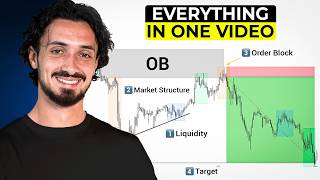

How We Ranked the Best Signals for Trading
Evaluating the best signals for trading requires a rigorous, data-driven methodology that looks beyond flashy marketing claims and focuses on measurable, verifiable performance. In modern electronic markets, signal quality is dictated by risk-adjusted returns, execution transparency, and underlying algorithmic logic rather than cherry-picked winning streaks.
Our evaluation framework examines verifiable track records through third-party analytics platforms, deep-diving into historical drawdowns, profit factors, and recovery periods. We also analyze the technological infrastructure powering the delivery of these alerts. Whether you are automating your execution via our trading EA downloads or manually executing setups derived from advanced indicator guides, latency and reliability are non-negotiable components of success.
Key Ranking Pillar: We heavily penalize services that rely on high-risk, unhedged martingale or grid recovery strategies that conceal their true risk exposure behind artificially high win rates.
- Verified Historical Performance: Requirement of minimum 6-12 months of live account statements with audited drawdowns.
- Risk-Reward Discipline: Preference for providers maintaining an average risk-to-reward ratio of at least 1:1.5 or better.
- Execution Speed & Delivery: Evaluation of API connectivity, Telegram alert speed, and compatibility with automated copy copier dashboards.
Top-Rated Trading Signal Providers for 2026
The landscape of trading signal delivery continues to evolve rapidly, blending machine learning analytics, institutional-grade quantitative models, and decentralized copy trading ecosystems. Finding the right provider depends heavily on your preferred asset class, time commitment, and risk appetite.
When exploring professional-grade tools, many traders transition from standard Telegram broadcast channels to fully automated algorithmic solutions. If you are looking to build proprietary strategies based on unique market parameters, consider consulting our custom MQL coder quotes to transform your specific signal logic into a dedicated automated execution script.
Explore the dynamic directory below this guide to review active providers, filter by live statistics, and choose solutions that align precisely with your broker and capital requirements.
- Algorithmic Quant Feeds: Automated systems driven by statistical arbitrage and machine learning pattern recognition.
- Discretionary Macro Analysts: Human-led feeds focusing on fundamental catalysts, central bank policies, and high-impact economic releases.
- Multi-Asset Copiers: Ecosystems allowing seamless mirroring of master accounts across various brokers and liquidity providers.
Types of Trading Signals: Crypto, Forex, and Stocks
Different financial markets possess unique structural behaviors, liquidity cycles, and volatility profiles. Consequently, the best signals for trading must be tailored specifically to the asset class you intend to trade.
Forex signals typically focus on major currency pairs during high-liquidity sessions like London and New York, emphasizing technical breakout levels, structural pullbacks, and interest rate differentials. In contrast, cryptocurrency signals navigate a 24/7 hyper-volatile environment where momentum indicators, order book imbalances, and sentiment metrics heavily dictate price action. Stock equity signals generally lean toward swing trading setups, earnings surprises, and sector rotation models.
Diversification Tip: Ensure your signal provider specializes in your chosen market. A strategy optimized for trending forex pairs will often struggle in choppy, range-bound crypto asset pairs.
- Forex Market Dynamics: High leverage, tight spreads, and heavy reliance on session timing and macroeconomic data feeds.
- Crypto Market Dynamics: Continuous trading hours, extreme volatility spikes, and high correlation to macro digital asset sentiment.
- Stock Market Dynamics: Regulated exchange hours, gap risks at market open, and deep dependency on fundamental company performance.
What to Look for When Choosing a Trading Signal Service
Selecting the right signal provider requires careful due diligence. With countless channels and platforms promising overnight riches, distinguishing professional analytical houses from predatory services is vital for the preservation of your trading capital.
A reputable signal service will always provide clear risk parameters alongside entry prices, including explicit stop-loss levels and multiple take-profit targets. Transparency regarding past losing trades is equally important; trustworthy providers do not delete losing signals from their history channels. Furthermore, consider how the signals are integrated into your workflow—whether through direct API bridge execution, webhooks, or mobile notifications.
Red Flag Warning: Avoid any service that guarantees fixed daily or monthly percentage returns, or that asks you to deposit funds directly into an unregulated broker account under their management.
- Defined Risk Parameters: Every signal must include a mathematical invalidation point (stop loss).
- Independent Track Records: Verification through independent tracking services rather than unverified screenshots.
- Seamless Integration: Compatibility with automated execution pipelines and risk management overlays.