


What Is a Social Trader and How Does It Work?
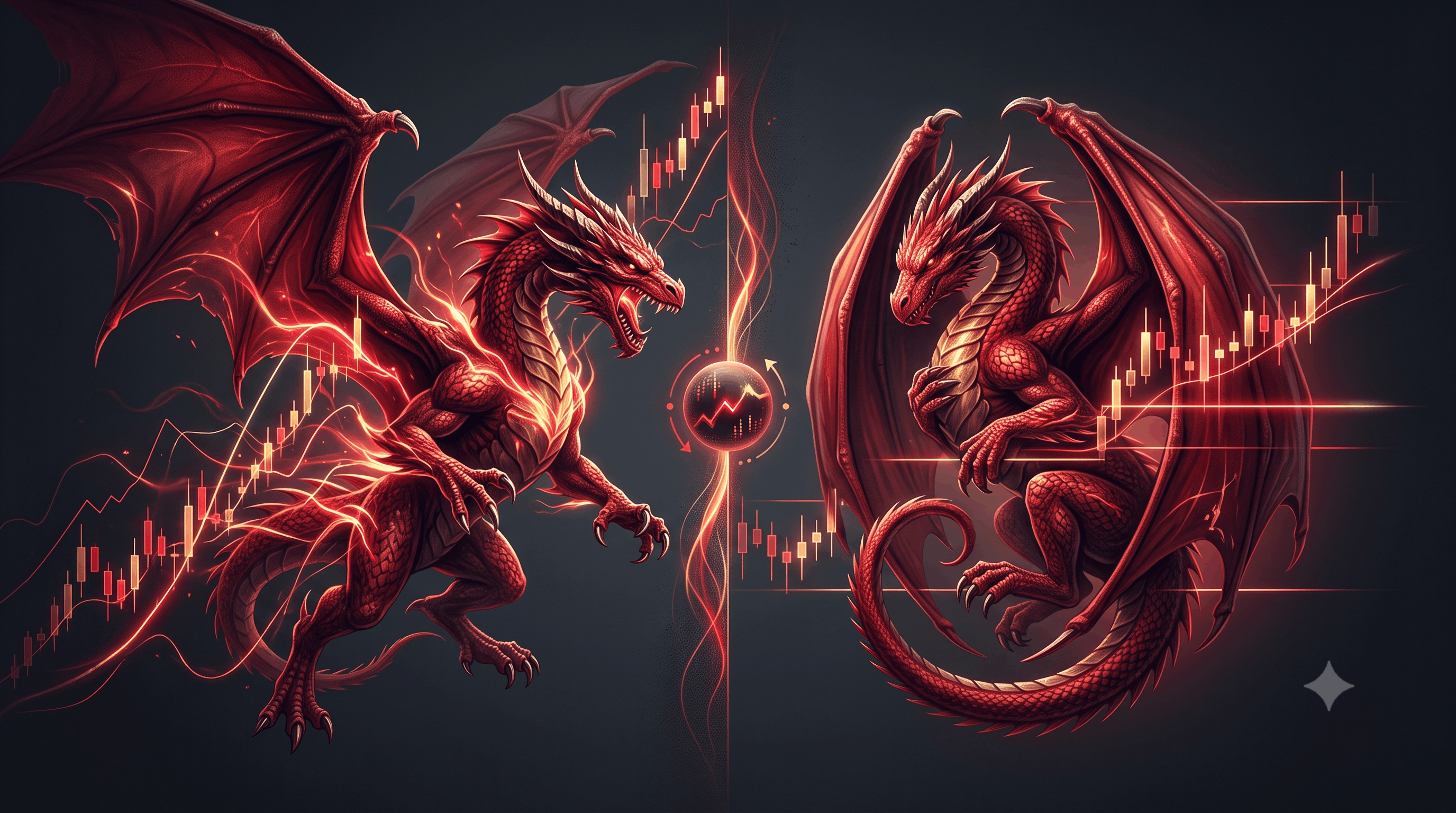
At its core, understanding what is social trader involves looking at the evolution of retail trading away from isolated chart-watching toward community-driven intelligence. A social trader is a market participant who leverages online financial networks to interact, share insights, broadcast signals, or directly mirror the positions of seasoned professionals. Rather than making trading decisions in a vacuum, social traders tap into a collective hive-mind where trade setups, equity curves, and performance metrics are completely transparent.
The mechanics behind this ecosystem rely on integrated brokerage interfaces and specialized social trader tools. When a provider enters a trade—whether it's a major Forex pair, index, or commodity—the underlying network instantly transmits execution data to all linked followers. Advanced platforms allow participants to filter providers by maximum drawdown, risk score, and asset class preferences. To optimize these setups, many traders combine network insights with automated solutions found in our expert advisors directory and technical studies via our custom indicators collection.
Network Transparency
All historical trades, win rates, and risk metrics are verified by the platform, removing the guesswork from evaluating signal providers.
Interactive Learning
Participants can chat, review rationale, and analyze execution breakdowns directly from top-performing market veterans.
Social Trading vs. Copy Trading: Key Differences Explained
While terms are frequently interchanged by casual observers, there is a distinct technical gap between general social trading and pure copy trading. Knowing the difference helps you select the right infrastructure for your capital allocation strategy.
| Feature / Factor | Social Trading | Copy Trading |
|---|---|---|
| Primary Focus | Community interaction, discussions, and idea sharing | Automated, hands-off replication of portfolio positions |
| User Engagement | High involvement, manual filtering, and discussion boards | Passive execution requiring minimal daily oversight |
| Customization | Cherry-pick individual ideas or modify signals manually | Proportional scaling, fixed lot matching, or risk multipliers |
If you prefer automated portfolio mirroring rather than reading community feeds, you can explore dedicated infrastructure solutions listed on our copy trading management hubs to configure your execution parameters safely.
Benefits and Risks of Becoming a Social Trader
Participating in these networks introduces unique advantages alongside notable hazard vectors that every serious speculator must manage. Balancing these factors determines long-term survival in volatile currency markets.
Core Advantages
- Accelerated Learning Curve: Novices observe real-time risk management and entry timing from seasoned professionals.
- Diversification Potential: Easily distribute capital across multiple uncorrelated strategies and signal originators.
- Time Efficiency: Bypass hours of chart analysis by utilizing curated insights and automated execution channels.
Potential Pitfalls to Monitor
- Execution Slippage: Latency between the provider's server and your brokerage account can impact entry prices during high-impact news.
- Over-Leveraging Risk: Following providers who use aggressive martingale or grid techniques can quickly wipe out unprotected capital.
💡 Pro Execution Tip: Always verify that position sizing matches your account equity. Use the tools available in our risk and margin calculators suite before attaching capital to any provider.
How to Choose the Best Social Trading Platform
Selecting the right network infrastructure requires evaluating critical technical and regulatory parameters. Not all platforms offer the same level of security, execution speed, or provider transparency.
1. Provider Verification
Ensure the platform enforces verified track records backed by real-money broker connections rather than demo accounts.
2. Fee Structure
Analyze performance fee models, spreads, and commission markups to ensure trading costs do not eat into net profitability.
3. Risk Management Controls
Look for robust safety features like maximum drawdown limits, stop-loss multipliers, and equity protection settings.
If your platform requires bespoke modifications or custom alert bridges to integrate third-party data feeds, you can request tailored programming assistance directly through our custom MQL development services.