
What Is a Prop Firm EA and How Does It Work?
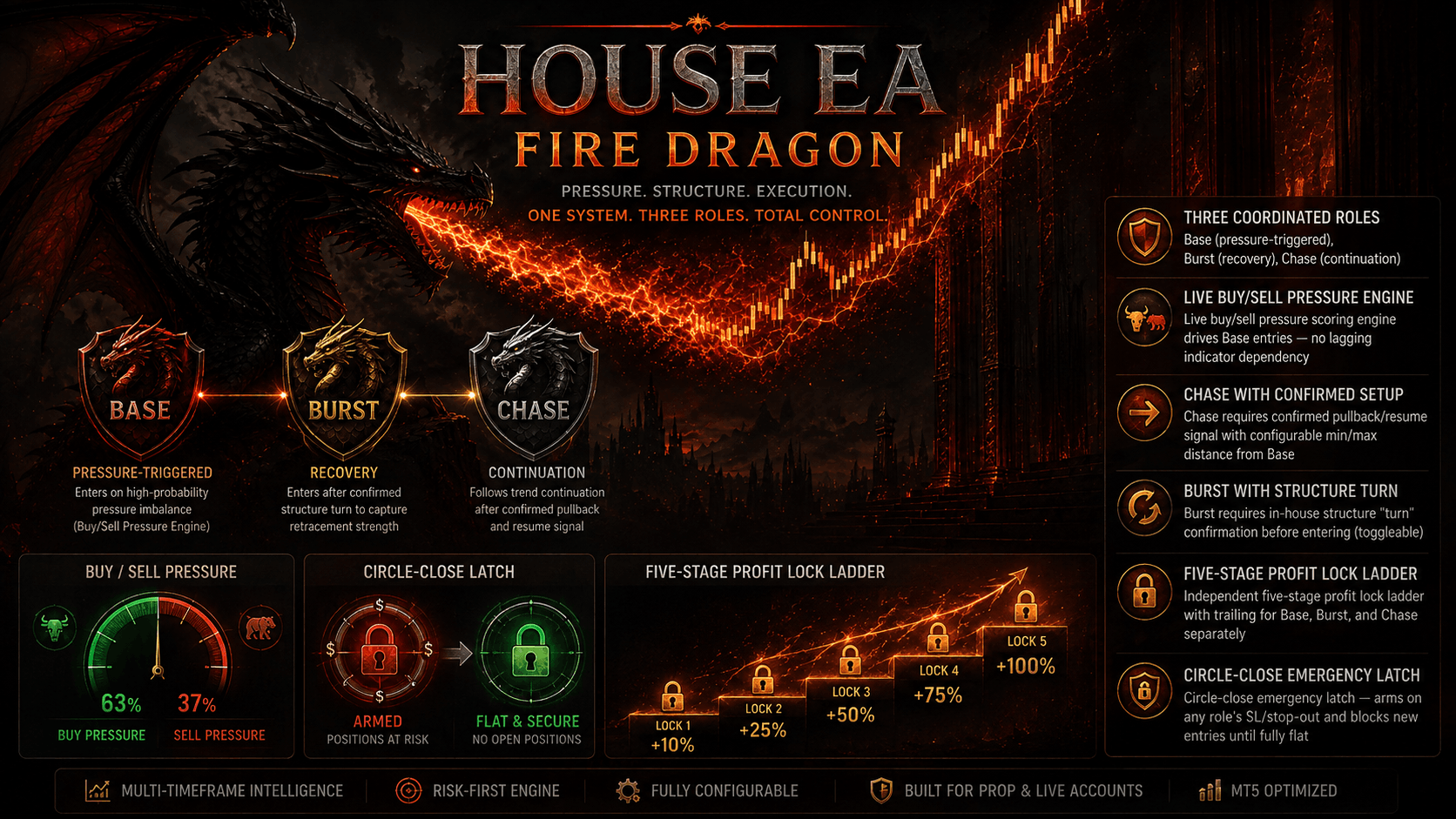
A proprietary trading firm Expert Advisor (EA) is an automated software program designed to execute trades on behalf of a trader within the strict parameters set by online proprietary trading companies. These algorithmic systems connect directly to trading platforms like MetaTrader 4, MetaTrader 5, or cTrader, scanning the currency markets for high-probability setups and executing orders without emotional interference. When targeting a funded account, utilizing a specialized trading EA helps eliminate psychological hurdles, ensuring disciplined execution across multi-phase evaluation challenges.
The primary mechanism behind a prop firm EA revolves around rigorous risk control. Proprietary evaluation models demand strict adherence to daily drawdown limits, maximum overall drawdowns, and profit targets. Algorithmic solutions programmed for these environments continuously calculate position sizes based on equity, monitor spread widening, and restrict trading during high-impact macroeconomic news releases. By automating these safeguards, traders can protect their capital allocations and successfully navigate the rigorous evaluation criteria required to secure a funded live account.
Pro Tip: Always verify that your chosen automation logic complements the technical analytical tools and indicator guides permitted by your specific prop firm's terms of service.
Key Features to Look for in a Forex EA for Prop Firms
Selecting an automated system for proprietary evaluations requires a completely different approach than searching for standard retail strategies. Because funded accounts carry zero-tolerance policies regarding rule breaches, your chosen software must incorporate advanced architectural safeguards to remain compliant.
- Hard Stop-Loss and Take-Profit Integration: Every single trade must feature predefined risk limits to prevent rogue market movements from triggering catastrophic drawdown violations.
- Dynamic Lot Sizing and Equity Protection: The algorithm should automatically reduce or scale risk based on the current balance and equity highs, actively preventing daily loss limits from being breached.
- News Filter Functionality: Built-in economic calendar filters ensure the software pauses execution during high-impact volatility events where slippage and wide spreads can ruin performance.
- Broker and Spread Adaptation: Prop firms utilize varying liquidity providers; robust software must handle variable spreads and avoid aggressive high-frequency trading styles that many firms explicitly ban.
For traders looking to distribute signals or manage multiple accounts simultaneously across different evaluation firms, implementing a secure copier dashboard can streamline execution efficiency.
Best Automated Trading Robots for Prop Firm Challenges
Passing a multi-stage evaluation challenge demands consistency, low drawdowns, and strict risk management. When evaluating automated solutions for this purpose, traders must look beyond basic backtest profit factors and focus heavily on risk-adjusted return metrics, such as the Sharpe ratio and maximum historic equity drawdown.
The most effective challenge-passing strategies typically rely on trend-following, dynamic breakout logic, or measured swing trading rather than grid or martingale systems. Martingale and high-risk averaging techniques almost invariably trigger sudden daily drawdown failures due to rapid margin expansion. If you require specialized algorithmic adjustments, bespoke rule integrations, or custom script modifications to match strict evaluation criteria, you can request a custom MQL coder quote to build a tailored solution from scratch.
Note: Explore our live-filtered database grid below this section to compare verified performance metrics across top-performing automated systems currently optimized for funded account challenges.
Risks and Rules: Using Expert Advisors on Funded Accounts
Deploying automated software on a proprietary trading account introduces unique regulatory and technical challenges. Prop firms enforce stringent guidelines to protect their capital, and failure to understand these nuances can lead to immediate account termination and forfeiture of profits.
- HFT and Arbitrage Bans: Many firms explicitly prohibit high-frequency trading, latency arbitrage, and reverse arbitrage algorithms. Ensure your strategy operates on standard price action and technical indicators.
- IP and Unique Logic Restrictions: Some proprietary companies ban generic "off-the-shelf" EAs if too many traders use the exact same parameters, viewing clustered order execution as a risk to their liquidity pool.
- Weekend Holding Rules: Check whether your firm allows automated strategies to hold open positions over the weekend, as weekend gap risk can instantly breach maximum drawdown limits.
- Virtual Private Server (VPS) Reliability: Running automated software requires low-latency execution. Always host your MT4/MT5 terminal on a reliable, low-latency VPS to prevent connection dropouts during critical market movements.
Always read the fine print of your prop firm's service agreement regarding automated trading permissions. Transparency with your broker and adherence to risk thresholds remain the ultimate keys to long-term funded account longevity.