




What Is the London Breakout Strategy and How Does It Work?
The london breakout strategy is a classic, volatility-based forex trading methodology designed to capture substantial price movements that typically occur during the opening hours of the London trading session. As one of the world's largest financial hubs, London's morning open coincides with the overlapping close of Asian markets and sets the definitive tone for European institutional liquidity.
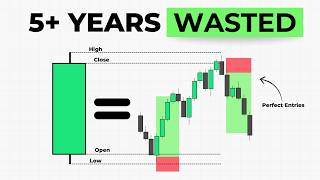
At its core, the strategy capitalizes on market compression followed by rapid expansion. During the Asian session (Tokyo hours), major currency pairs often consolidate within a narrow price range because institutional participation is lower. As traders in London arrive at their desks, pending orders, corporate hedging, and aggressive speculative capital enter the market. When price breaks out of the established Asian high or low boundary, it often triggers cascading stop-loss orders, leading to sustained directional momentum.
📈 Asian Range Consolidation
Prices trade sideways within a defined high-low channel, forming a tight liquidity pocket before the European open.
⚡ London Session Expansion
Massive institutional liquidity enters the market at 08:00 UTC, pushing prices aggressively past previous boundaries.
Traders frequently pair this breakout model with algorithmic execution tools found in our expert advisors directory or filter entries using technical tools from our custom indicators library to automate the identification of the Asian range.
Key Rules for Trading the London Open Forex Session
Implementing a successful london breakout strategy requires strict adherence to predefined mechanical rules to eliminate emotional decision-making during high-volatility windows.
- Define the Box Period: Measure the high and low of the asset (typically GBP/USD or EUR/USD) during the Asian session, usually from 00:00 to 07:00 UTC.
- Set Pending Orders: Place buy-stop orders slightly above the Asian high and sell-stop orders slightly below the Asian low, adding a small buffer to account for typical market spread.
- Cancel Unfilled Orders: If price moves in one direction and triggers an order, immediately cancel the opposing pending order to prevent dual-exposure whipsaws.
- Time-Based Exits: Close all open intraday breakout positions before the New York afternoon lull or implement trailing stops to lock in floating profits.
💡 Pro Execution Tip: Always verify economic calendar releases before trading the London open. High-impact UK or European Central Bank (ECB) news releases scheduled right after the open can cause violent false breakouts that sweep liquidity in both directions.
Best Indicators and Timeframes for the London Breakout
Chart configuration plays a critical role in filtering out noise and capturing legitimate trend momentum when executing the london breakout strategy. Most professional traders utilize lower timeframes combined with objective volatility measures.
| Parameter / Factor | Standard Setup | Institutional Setup |
|---|---|---|
| Chart Timeframe | 15-Minute (M15) / 5-Minute (M5) | 1-Minute (M1) with Tick Filtering |
| Session Box Indicator | Custom Session High/Low Box | Institutional Order Flow Profiler |
| Momentum Filter | Average True Range (ATR) | Volume Delta & Order Book Depth |
| Primary Pairs | GBP/USD, EUR/GBP | GBP/JPY, EUR/USD, GBP/CHF |
For precise position sizing and risk computation based on your account balance and pip value during these volatile breakouts, utilize our dedicated risk and lot size calculators before entering any trade.
Risk Management and Common Pitfalls to Avoid
While the profit potential of a london breakout strategy is significant, failing to manage risk correctly can quickly erode trading capital. False breakouts—commonly known as "fakeouts"—occur when price briefly breaches the Asian high or low before sharply reversing into the trading range.
🛡️ Implementing Stop-Losses
Always place your stop loss either at the midpoint of the Asian range or below the opposite side of the breakout box to minimize drawdown on failed moves.
⏳ Managing Spread & Slippage
Trade with ECN brokers offering tight spreads during the European open to prevent slippage from eating into your breakout profit targets.
If you wish to mirror these breakout trades across multiple investor accounts or automatically sync your execution setup, check out our copy trading networks. Furthermore, if you need custom automation scripts coded for your specific parameters, submit a request via our MQL custom development portal.