



What Is Forex Trading and How Does It Work?
Forex trading—short for foreign exchange trading—is the decentralized global market where all the world's currencies are bought and sold. As the largest and most liquid financial market on earth, it boasts a daily trading volume exceeding $6 trillion. Unlike centralized equities exchanges, the forex market has no physical location; instead, it operates electronically over-the-counter (OTC) through a global network of banks, financial institutions, corporate entities, and individual retail speculators operating across major financial hubs in London, New York, Tokyo, and Sydney.
At its core, currency trading always involves pairs. When you participate in forex trading, you are simultaneously buying one currency while selling another. Currencies are quoted in relation to one another, such as the EUR/USD or GBP/JPY. The first listed currency is known as the base currency, while the second is the quote currency. The exchange rate tells you how many units of the quote currency are required to purchase one single unit of the base currency.
Major Currency Pairs
These are the most actively traded pairs globally, paired with the US Dollar (e.g., EUR/USD, USD/JPY, GBP/USD). They typically feature the tightest spreads and deepest market liquidity.
Crosses and Exotics
Cross-currency pairs do not involve the US Dollar (like EUR/GBP), while exotic pairs combine a major currency with that of an emerging or developing economy.
To analyze these market fluctuations and time entries effectively, traders utilize custom analytical tools and technical studies. You can explore a wide variety of technical aids in our comprehensive indicators directory to pinpoint momentum shifts and trend reversals.
💡 Pro Execution Tip: Pay close attention to market sessions. The highest volatility and liquidity typically occur during the overlapping London and New York trading sessions, offering optimal conditions for tight spreads and fast order execution.
Best Forex Trading Strategies for Beginners
Developing a structured methodology is crucial for long-term consistency in forex trading. Beginners should start by understanding basic strategy frameworks that align with their available screen time, psychological tolerance, and capital size. Whether you prefer automated execution or manual chart analysis, having a defined plan prevents emotional decision-making during high-volatility events.
Core Methodologies Overview
- Position Trading: A long-term approach focusing on fundamental macroeconomic shifts, holding trades for weeks, months, or even years.
- Swing Trading: Capturing medium-term price swings over several days or weeks, utilizing technical support and resistance levels.
- Day Trading: Opening and closing all positions within the same trading day, avoiding overnight swap fees and weekend gap risks.
- Scalping: Executing numerous trades throughout the session to capture tiny pip movements, requiring ultra-low latency and tight spreads.
| Strategy Style | Average Holding Time | Primary Analysis Focus |
|---|---|---|
| Scalping | Seconds to Minutes | Order flow, Level 2, 1M/5M charts |
| Day Trading | Minutes to Hours | Intraday momentum, Economic calendar |
| Swing Trading | Days to Weeks | Daily/4H trendlines, Key swing highs/lows |
| Position Trading | Months to Years | Interest rates, GDP growth, Central banks |
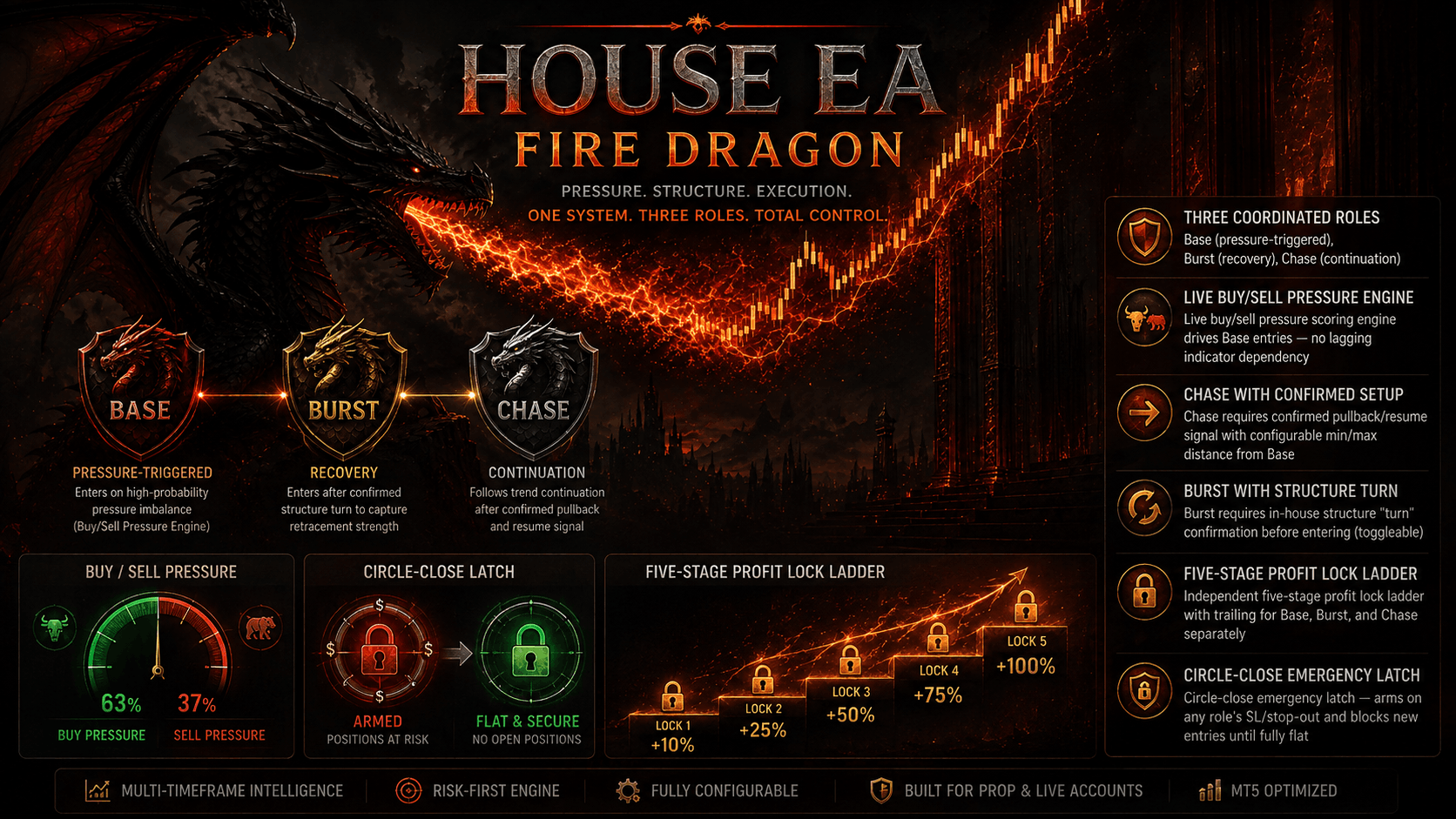
Many modern traders choose to automate these mechanical strategies using algorithmic scripts. You can inspect our verified library of automated systems in the expert advisors hub, or evaluate mirror-trading performance configurations via our copy trading networks.
How to Choose a Regulated Forex Broker
Your choice of broker directly dictates your trading environment, transaction costs, and capital security. Working with an unregulated entity exposes you to unnecessary counterparty risk, unfair slippage, and potential withdrawal hurdles. Always prioritize brokers authorized and supervised by top-tier regulatory jurisdictions such as the FCA (UK), ASIC (Australia), CySEC (Cyprus), or FINMA (Switzerland).
Key Criteria for Broker Evaluation
- Regulatory Compliance: Check registration numbers directly on the regulator's official registry to verify valid operational licenses.
- Execution Model: Determine whether the broker acts as an STP (Straight Through Processing), ECN (Electronic Communication Network), or Market Maker.
- Trading Costs: Analyze spreads, overnight swap rates (rollover fees), and any per-lot commission charges.
- Deposit and Withdrawal Speed: Ensure the firm offers seamless, segregated fund accounts with fast processing times for funding and payouts.
Managing Risk and Leverage in Forex Markets
Leverage is a double-edged sword in forex trading. While it allows retail participants to control large market positions with a relatively small initial deposit (margin), excessive leverage exponentially amplifies both potential profits and catastrophic losses. Effective risk management is the single most critical differentiator between consistently profitable traders and those who blow their accounts.
A robust risk framework dictates that you should never risk more than 1% to 2% of your total account equity on a single trade. Utilizing position sizing formulas ensures your lot size matches your stop loss distance in pips. Before placing live orders, always compute exact requirements using our specialized risk calculators to protect your account balance.
Stop Loss Orders
An automated instruction to close your trade at a predetermined price level if the market moves against your forecast, limiting maximum loss.
Risk-to-Reward Ratio
Aiming for setups where potential profit is at least double or triple the risk amount (e.g., 1:2 or 1:3 ratio) to maintain profitability even with a sub-50% win rate.
If you require custom indicators, automated risk management scripts, or custom MQL logic tailored to your exact risk specifications, feel free to request professional development assistance through our MQL coder services.